

Obaahemaa is a music video directed, shot, edited, colour-graded, and VFX-produced by Malik Ofori, filmed across multiple locations in Bristol, UK. The project accompanies a love-themed Afrobeat track by UK-based Ghanaian artist Rocky Jigga, whose lyrics centre on admiration and emotional attraction toward a woman referred to as “Obaahemaa,” a Twi term meaning Queen or Lady Queen.
At its foundation, the song explores themes of romantic pursuit and idealised beauty, with the artist expressing emotional intensity and a desire for connection, often through dance as a form of communication and affection. The visual interpretation expands this narrative into a stylised, surreal journey that blends realism with fantasy.

Creative Approach and Narrative Structure
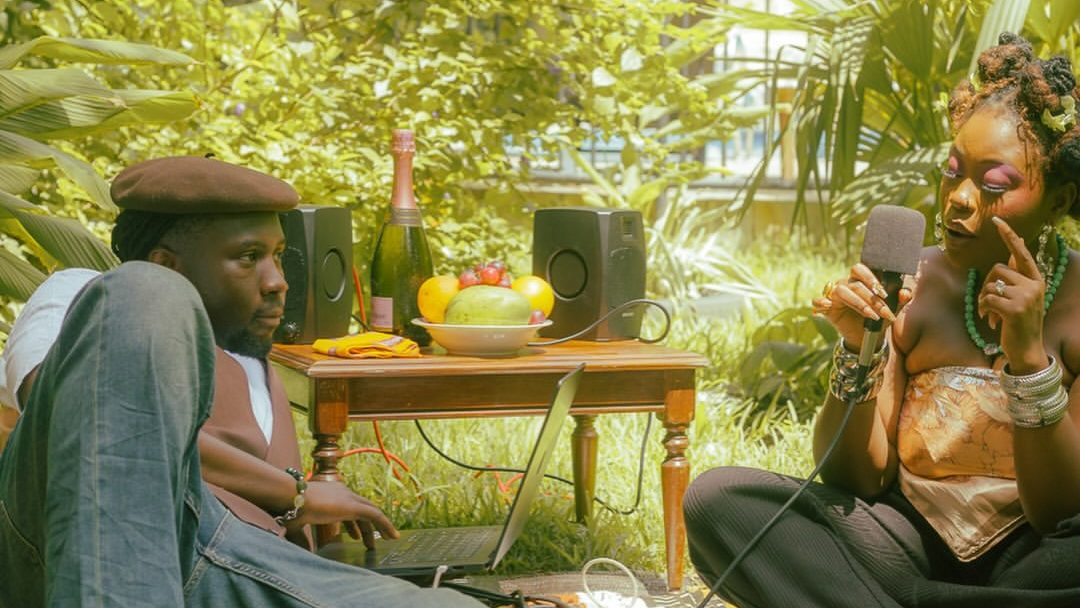
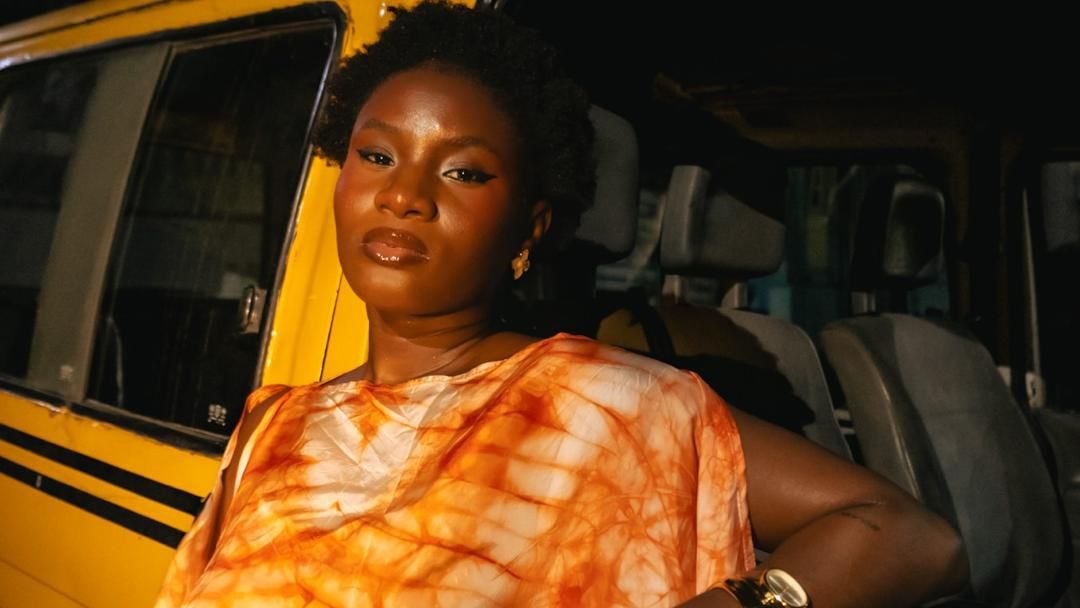
The video begins in a recognisable public art space in Bristol, where the artist notices the female lead for the first time. A simple interaction between them becomes the catalyst for an immediate shift in reality, establishing the video’s central conceptual device: transitions between locations triggered by emotional or physical contact.
This moment leads into a sequence of surreal environment changes that guide the narrative away from linear storytelling into a dreamlike structure.
The first transition places the characters at the Clifton Suspension Bridge, one of Bristol’s most recognisable landmarks. The setting introduces a sense of disorientation, as the artist reacts with confusion while the female lead maintains a calm, expressive presence through dance. This contrast establishes her as a guiding figure within the narrative’s shifting reality.
The story then moves into a forested natural environment, where choreography becomes more expansive and communal. Additional dancers join the female lead, creating a visual shift from intimate interaction to collective expression. This section emphasises rhythm, movement, and emotional release, aligning closely with the musical energy of the track.
From there, the narrative transitions into a candle-lit dinner setting. This scene slows the pacing significantly, introducing a more grounded emotional tone. The use of controlled lighting and minimal composition highlights intimacy and suggests a moment of emotional clarity between the two characters.
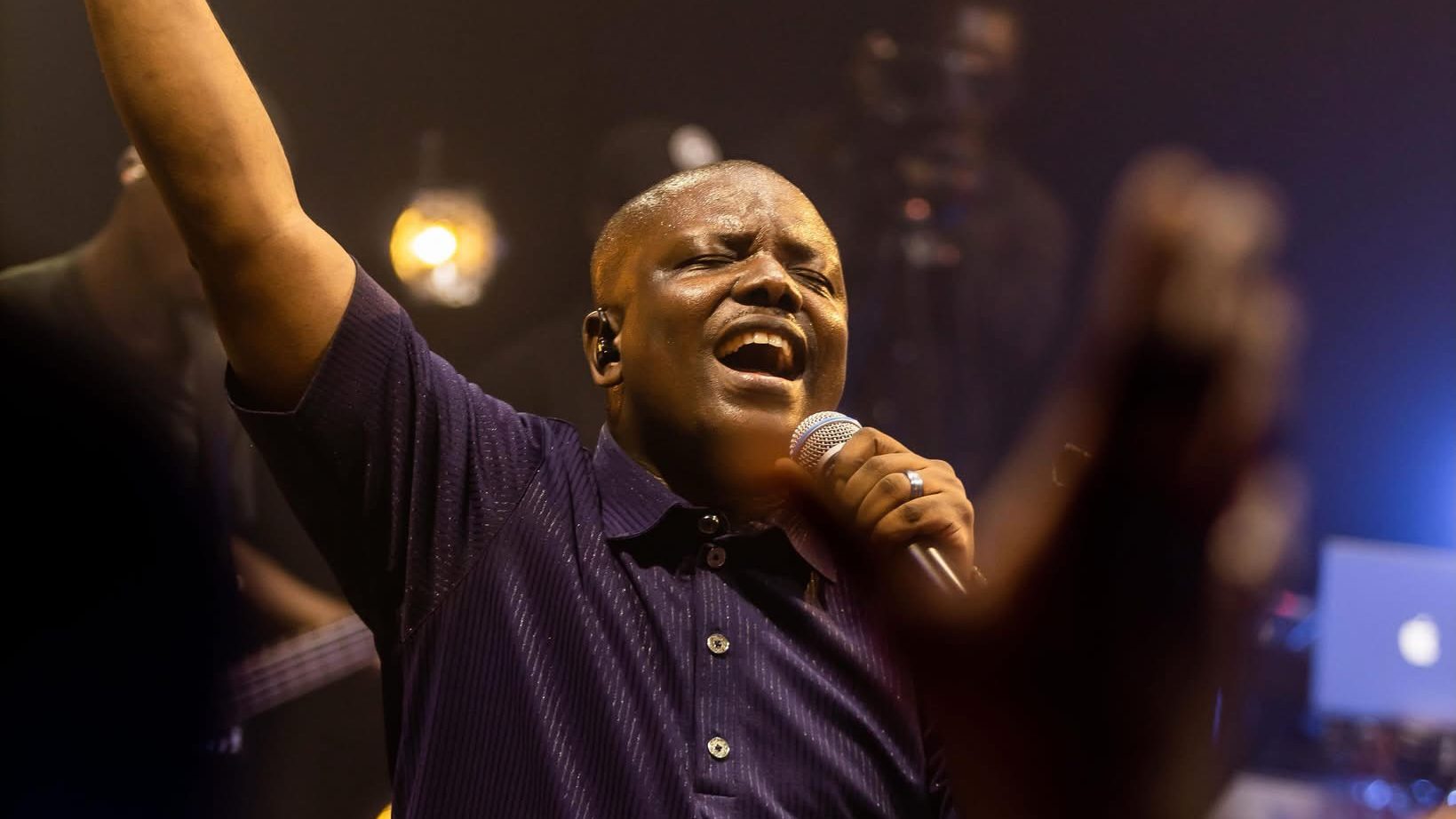
The final major sequence places the artist in a live performance setting, performing alongside a band while the female lead appears within the audience. This blurs the boundary between performance and narrative reality, suggesting that the relationship exists simultaneously as lived experience and artistic imagination. The moment where she is brought onto the stage reinforces this merging of performer, subject, and emotional projection.
Across the entire film, Bristol itself functions not only as a backdrop but as an active visual character. The production intentionally reframes well-known locations such as the Clifton Suspension Bridge and urban art spaces through a contemporary Afrobeat visual language, creating what can be interpreted as a “third space” between Ghanaian cultural expression and British urban identity.
The work also reflects a high level of technical independence, with Malik Ofori executing multiple core production roles across direction, cinematography, editing, and visual effects. This unified authorship contributes to a consistent visual identity throughout the project, particularly in the handling of transitions, pacing, and colour grading.
Conclusion and Interpretation
The narrative eventually returns to its initial location, creating a cyclical structure that reframes the preceding events. This return introduces ambiguity around whether the experiences were literal or symbolic, suggesting they may represent an internal emotional journey rather than a physical one.
The artist’s attempt to recreate the initial “teleportation” moment does not produce the same effect, reinforcing the idea that the experience cannot be controlled or repeated. The video concludes with a simple embrace between the two characters, offering a restrained ending that replaces spectacle with emotional resolution.
Critical Evaluation
Obaahemaa presents a concept-driven approach to Afrobeat visual storytelling, combining romance, choreography, and surreal narrative transitions within a cohesive structure. The work uses Bristol’s urban and natural environments not only as backdrops but as active components of the storytelling, integrating recognisable landmarks into a stylised emotional journey.
The video’s strength lies in its structural experimentation, particularly its use of abrupt spatial transitions to represent emotional shifts. Rather than relying on a conventional linear narrative, it constructs meaning through repetition, contrast, and visual metaphor.
Overall, the project demonstrates a strong directorial vision and an integrated creative role across production, post-production, and visual effects. It reflects an approach to music video filmmaking that prioritises conceptual storytelling and cinematic world-building within the Afrobeat visual space.